Author: admin

  • Separator block


    A solitary bird perched atop a weathered fence, its feathers glistening in the golden dawn. With a soft trill, it sang a melody that danced through the air, echoing the promise of a new day. Nearby, the world stirredโ€”leaves rustled, and flowers awakened. The bird’s song wove through the silence, a reminder of nature’s beauty, urging all to embrace the warmth of the sun and the magic of each fleeting moment.
  • Page Break Block

    The solar system is a vast and intricate domain, centered around the Sun, a massive star that provides light and warmth to the celestial bodies that orbit it. There are eight recognized planetsโ€”Mercury, Venus, Earth, Mars, Jupiter, Saturn, Uranus, and Neptuneโ€”each with unique characteristics and environments.

    Mercury, the closest planet to the Sun, experiences extreme temperature fluctuations, while Venus is shrouded in thick, toxic clouds.

    Pages: 1 2 3 4

  • Columns Blocks

    Space

    In the realm of exploration and innovation, the concept of “space” represents a critical intersection between technology and human experience. As we venture further into this new frontier, we must consider the implications that space presents not just in terms of opportunity, but also in responsibility.

    Earth

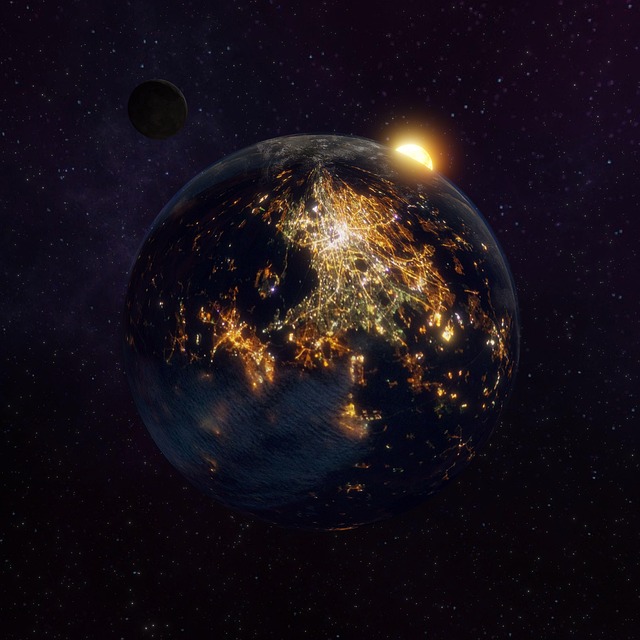
    Earth is the third planet from the Sun and the only known celestial body to support life. It has a diverse range of ecosystems, which include forests, deserts, mountains, and wetlands, fostering an immense variety of flora and fauna. Approximately 71% of the Earth’s surface is covered by water, primarily in the form of oceans, which play a crucial role in regulating the planet’s climate and supporting life.

    Universe

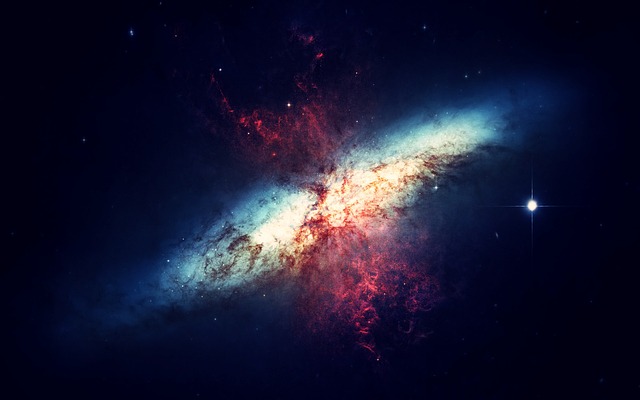
    In the vast tapestry of the universe, stars twinkle like forgotten dreams, each a blazing heart in the cosmic void. Galaxies spiral gracefully, weaving stories of creation and destruction. Time bends and stretches, revealing the mysteries of black holes and supernovae. Amidst this grandeur, life flickers on a small blue planet, a testament to the universe’s infinite possibilities and the yearning for connection in the silence of space.

  • Media & Text Block, Video & Buttons

    Solar System

    The solar system is a vast and intricate domain, centered around the Sun, a massive star that provides light and warmth to the celestial bodies that orbit it. There are eight recognized planetsโ€”Mercury, Venus, Earth, Mars, Jupiter, Saturn, Uranus, and Neptuneโ€”each with unique characteristics and environments. Mercury, the closest planet to the Sun, experiences extreme temperature fluctuations, while Venus is shrouded in thick, toxic clouds. Earth is the only known planet to support life, showcasing a diverse array of ecosystems. Beyond the terrestrial planets lie the gas giants, Jupiter and Saturn, with their spectacular rings and numerous moons, and the ice giants, Uranus and Neptune, completing the solar systemโ€™s planetary family.

  • Jupiter

    Jupiter, the largest planet in our solar system, is a gas giant that has fascinated astronomers and scientists for centuries. With its striking bands of clouds, spectacular storms, and numerous moons, Jupiter presents a complex and dynamic environment that continues to yield new discoveries. The planet has a strong magnetic field and is known for its Great Red Spot, a massive storm that has been raging for at least 350 years. Jupiter’s atmosphere is primarily composed of hydrogen and helium, with trace amounts of other gases that create its distinct coloration. Jupiter’s immense size and gravitational pull play a crucial role in the architecture of our solar system. Its strong influence has helped in shaping the orbits of neighboring planets and asteroids, protecting the inner solar system from potential impacts. As we advance in our exploration of space, missions such as NASA’s Juno spacecraft are providing us with unprecedented insights into Jupiterโ€™s structure, dynamics, and formation history. Understanding this giant planet not only enhances our knowledge of our solar system but also sheds light on the formation of gas giants in other star systems. In conclusion, Jupiter is not merely a distant celestial body; it is a key to understanding the broader cosmos. Our ongoing research and missions will surely reveal even more about the mysteries that lie within this magnificent planet. Overall, studying Jupiter provides valuable insights into the formation and evolution of planetary systems, including our own. Its unique characteristics and dynamic atmosphere make it a fascinating subject for both amateur and professional astronomers.

  • Caleb – Headings

    Science Experiments

    The Scientific Method

    Problem Solving Strategies

    Book Reviews

    Writing Tips

  • First Post

    This is my first post on WordPress

  • Hello world!

    Welcome to WordPress. This is your first post. Edit or delete it, then start writing!